Can You Build an App Like NetMirror with FlutterFlow? What You Need to Know
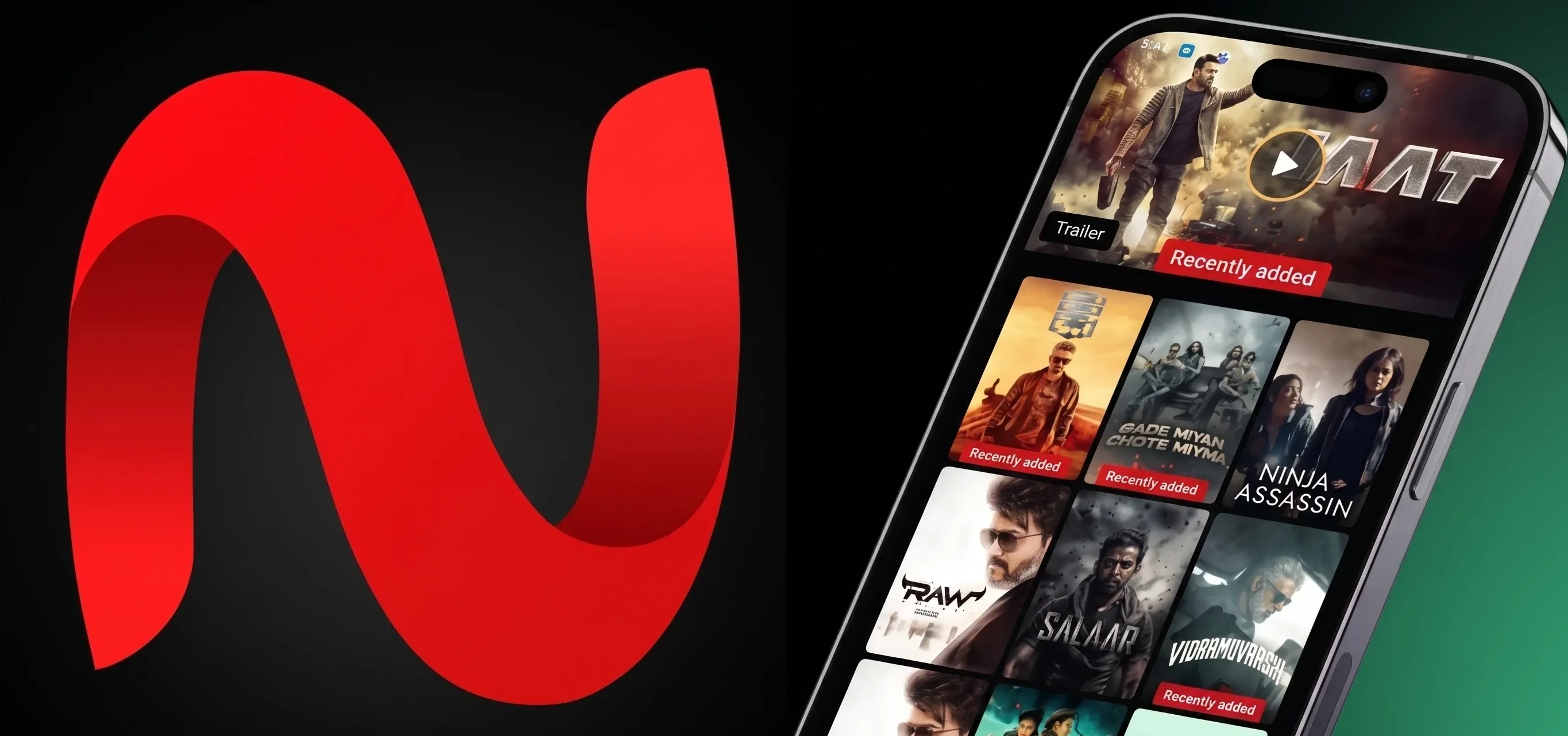
Apps that offer free access to movies and series—like the one described in that article about NetMirror—tend to generate massive attention. The promise is simple: instant streaming, no subscriptions, and a familiar interface similar to platforms like Netflix. For founders and developers, the natural question follows quickly: can you build something like this using FlutterFlow?
The short answer is yes—but the real answer is more complex.
What FlutterFlow Can Actually Do
FlutterFlow is a powerful low-code platform that allows teams to build mobile apps quickly. It handles UI design, backend connections, authentication, and integrations without requiring full traditional development. From a purely technical perspective, you can absolutely build an app with:
- a Netflix-like interface
- user authentication
- search and filtering
- content catalogs
- video playback integration
All of this is within reach using FlutterFlow combined with backend tools like Firebase.
From a product standpoint, building a streaming-style app is not the challenge anymore. Modern tools—including FlutterFlow—have made that part significantly easier.
The Real Challenge Is Not the App
The real challenge behind apps like NetMirror is not the technology. It’s the content and the legality behind it.
Platforms that offer free access to movies and series without proper licensing operate in a legally risky space. That’s why many articles explicitly warn users not to download or trust these apps. The issue is not whether they work—it’s how they source and distribute content.
This is where many builders misunderstand the opportunity.
FlutterFlow can help you build the interface and experience, but it does not solve:
- content licensing
- legal compliance
- distribution rights
- data protection risks
These are the real barriers to building a sustainable product in this category.
What You Can Build with FlutterFlow
Instead of replicating risky models, there are strong, scalable alternatives that use the same core idea:
You can build:
- a legal streaming aggregator
- a niche content platform (fitness, education, creators)
- a subscription-based video app
- a user-generated content platform
These types of apps use the same UX patterns but operate within sustainable and legal frameworks.
At Flywheel Studio, this is a key distinction. The goal is not just to build something that works—it’s to build something that can scale and last.
FlutterFlow vs Custom Development for Streaming Apps
For early-stage products, FlutterFlow is an excellent option. It allows teams to prototype quickly, test user demand, and launch faster than traditional development. This is especially useful if you’re validating a new content model or exploring niche audiences.
However, as the platform grows, limitations can appear. Video-heavy apps often require:
- optimized streaming infrastructure
- CDN integration
- advanced performance tuning
- custom backend logic
This is where hybrid or custom development becomes necessary.
The smartest approach is not choosing one or the other—it’s knowing when to transition.
The Flywheel Approach
At Flywheel, we see this pattern constantly. Founders come in asking if they can build something like a viral app they’ve seen. The answer is usually yes—but the better question is: should you build it that way?
The real opportunity is not copying risky platforms. It’s taking what works—the simplicity, the user experience, the accessibility—and applying it to a model that is scalable and defensible.
That’s where product strategy matters more than tools.
Final Thoughts
Yes, you can build an app like NetMirror with FlutterFlow from a technical perspective. The UI, the flows, and even the playback experience are all achievable.
But the success of that kind of app is not defined by how it’s built. It’s defined by how it operates.
In 2026, building an app is the easy part.
Building one that survives—that’s where the real work begins.